
Check out the story of overcoming adversity, some of my biggest learning opportunities in the recent “How AI Saved My Life” article, which are potentially seen as failures, turned into positive steps up on the success ladder.
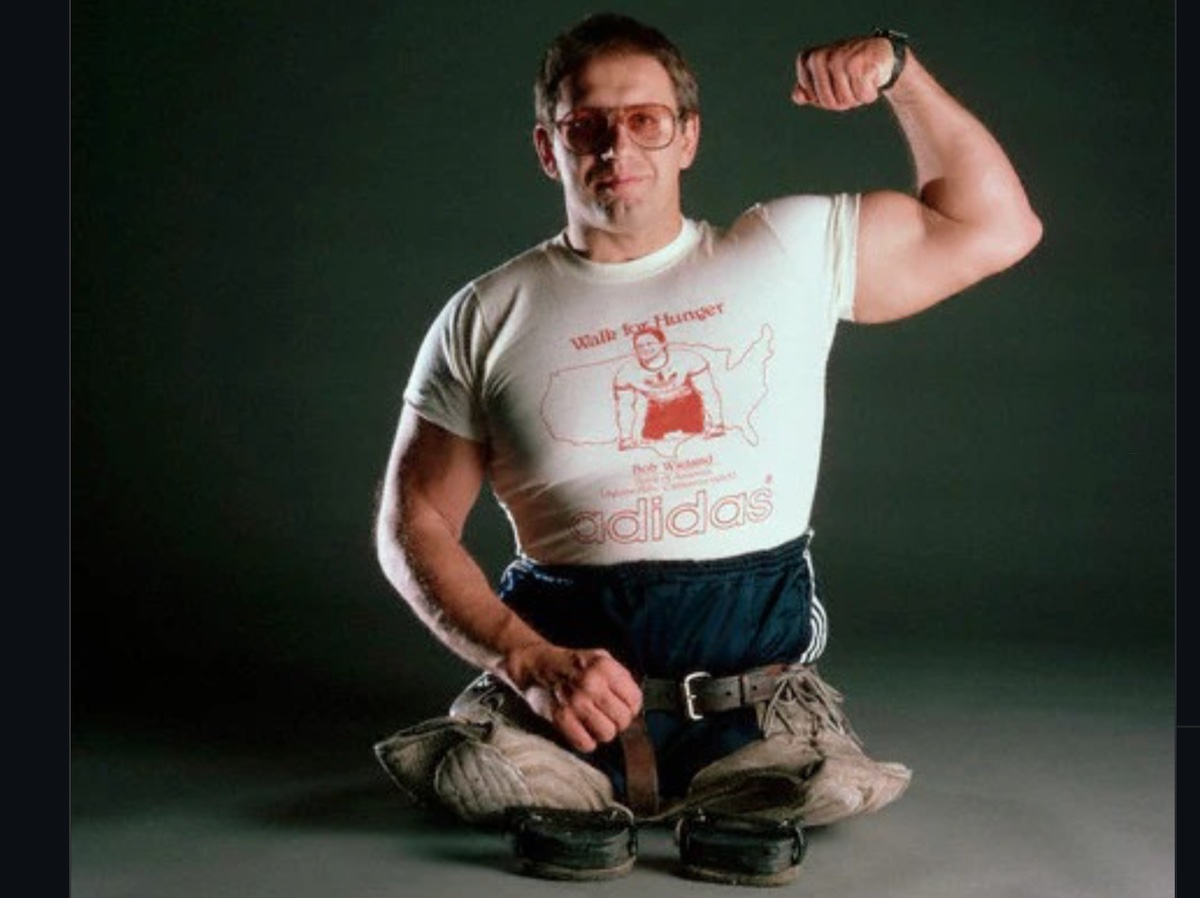
I was fortunate to spend considerable time during my formative years with my extended family member Bob Wieland, widely known as “Mr. Inspiration.” A Vietnam War veteran who lost both legs in 1969 while serving as a medic, Bob transformed profound adversity into a life of extraordinary achievement and service. He became a world-record-holding powerlifter, completed multiple marathons and an Ironman triathlon on his hands and arms, famously “walked” across America on his knuckles and stumps, served as a strength coach for NFL teams including the Green Bay Packers, and authored the book One Step at a Time.
A deeply faith-driven motivational speaker, Bob’s core message centered on resilience, taking life one step at a time, unwavering determination, and the belief that “I lost my legs, not my heart.” His example and personal mentorship profoundly shaped my mindset toward physical fitness, mental toughness, and never giving up. Thanks in large part to Bob’s teachings and ongoing motivation, I have maintained excellent physical condition and disciplined habits well into my late 50s—living proof of the lasting impact of his principles on those lucky enough to learn from him directly.
TOP 10 SUCCESS PRINCIPLES OF BOB WIELAND
Bob Wieland, known as “Mr. Inspiration,” is a Vietnam War veteran who lost both legs in 1969 after stepping on a mortar mine while trying to save a fellow soldier. Declared dead on arrival, he survived and rebuilt his life with extraordinary resilience. He became a world-record powerlifter, completed multiple marathons on his hands (sometimes taking days to finish), “walked” across America on his hands and knuckles (roughly 3,000+ miles over years), served as a strength coach for NFL teams like the Green Bay Packers, and became a sought-after motivational speaker who shared stages with figures like Zig Ziglar.
His autobiography, One Step at a Time, and decades of speaking emphasize faith in God (specifically a deep Christian commitment that began before his injury), perseverance, and purposeful living. He often says variations of: “I lost my legs, not my heart,” “Through faith in God, determination and dedication, a person can achieve anything,” and “It’s always too soon to quit.” President Ronald Reagan reportedly nicknamed him “Mr. Inspiration” after his cross-country journey.
His life, book, speeches, quotes, and public messages consistently revolve around a clear set of interconnected themes. These can be distilled into the following top 10 motivation principles, synthesized directly from his story and teachings. Each principle includes context from his life, supporting quotes or ideas, practical implications, nuances, and why it remains powerful today.
1. Anchor Your Life in Faith (or a Deep Sense of Purpose)
Wieland repeatedly credits his survival, recovery, and achievements to his relationship with Jesus Christ. He states that without this foundation, he would not be here. Faith provided meaning beyond his circumstances and strength when his body failed.
Nuance/Implication: For him, this is explicitly spiritual. Secularly, it translates to anchoring in a higher purpose, values, or “why” that transcends daily struggles. It prevents despair by offering perspective that current pain is not the end of the story.
2. Take It One Step at a Time
This is the title of his book and his literal method for completing marathons and crossing America (millions of individual hand movements). Overwhelming goals become manageable when broken into the next single action.
Nuance: It counters paralysis from big-picture thinking. Even on his most grueling days (mountains, deserts), progress came from focusing only on the immediate “step.” This principle builds momentum and reduces overwhelm in any long-term goal—career, health, relationships, or recovery.
3. It’s Always Too Soon to Quit
One of his most famous lines. He survived being declared dead, endured years of rehabilitation, and kept pushing through extreme physical challenges that would break most people.
Implication: Quitting often feels logical in the moment, but persistence reveals new possibilities. This applies to business failures, addiction recovery, grief, or creative pursuits. It pairs with principle #2—keep taking the next step.
4. Focus on What You Still Have, Not What You’ve Lost
“I lost my legs, not my heart.” Wieland consistently redirected attention from his disability to his inner resources: will, mind, faith, relationships, and purpose. He competed in able-bodied and disabled events alike.
Nuance: This is a classic reframing technique. Limitations are real, but they do not define identity or potential. Edge case: It works for both catastrophic loss and everyday setbacks (job loss, injury, rejection).
5. Measure Success by the Finish Line, Not the Starting Point
“Success is never based on where you start, it’s based on where you’re going to finish.” From promising baseball prospect to double amputee to record-breaker and national inspiration.
Implication: Current circumstances (or past failures) do not dictate the outcome. This principle encourages long-term vision and resilience when early results look discouraging.
6. Put Your Whole Heart Into Everything
“You can’t stop a person with a big heart.” Wieland gave full effort in rehabilitation, sports training, speaking, and ministry. Half-measures were never an option.
Nuance: Passion and total commitment create unstoppable momentum. It warns against half-hearted attempts that lead to regret. Modern application: In a distracted world, focused, wholehearted effort stands out.
7. Protect Your Dreams—Don’t Let Others Derail Them
“Put your whole heart into everything and don’t ever let somebody else goof up your dream.” He pursued extreme goals despite societal doubts about what an amputee “should” do.
Implication: Naysayers, critics, or even well-meaning people can sabotage dreams. Guard your vision while staying open to wise counsel. This is especially relevant in social media eras full of unsolicited opinions.
8. Small Deeds Accomplished Outweigh the Greatest Intentions
“The smallest deed done is far better than the greatest intentions.” Wieland didn’t just talk about inspiration—he lived it through action (the cross-country journey, decades of speaking, helping the hungry physically and spiritually).
Nuance: Action beats aspiration. This principle combats procrastination and perfectionism. Even imperfect progress compounds.
9. Turn Adversity into Purpose and Service
Wieland used his pain to inspire others, raise awareness for the physically and spiritually hungry, and point people toward faith. His speaking career and feats served a larger mission.
Implication: Suffering gains redemptive power when channeled into helping others. This aligns with post-traumatic growth research and gives meaning that sustains long-term motivation.
10. Enjoy the Journey, Not Just the Destination
Highlighted on his official site and evident in how he described adventures on the road despite hardships. The process itself held value—adventure, growth, connection, and testimony.
Nuance: Pure destination-focus can breed frustration. Enjoying the daily process (even the struggle) sustains motivation and creates a richer life. Wieland found purpose and stories in the miles, not just the finish line.
Leverage Your Authentic Story to Inspire Others
Real-life examples are “10 times more powerful than great advice.” Wieland shares his personal journey vulnerably rather than abstract theory. One genuine story can change lives.
Implication: Your unique experiences—especially hardships overcome—have power when shared. Authenticity builds trust and connection far better than polished presentations.
How These Principles Work Together
These 10 principles are deeply interconnected. Faith/purpose (1) fuels the refusal to quit (3) and the ability to reframe loss (4). One-step focus (2) makes long journeys possible while enjoying the process (10). Wholehearted action (6, 8) protects dreams (7) and turns pain into service (9). Success orientation (5) and story-sharing amplify impact, all sustained by integrated determination.
Wieland’s life demonstrates that these are not abstract ideas but lived realities—even in extreme circumstances. They offer both inspiration and a practical framework. For someone facing disability, trauma, career failure, or simply feeling stuck, they provide a roadmap: start with purpose and the next small step, persist with heart, reframe limitations, act decisively, and use your story to lift others.
Bob’s message remains timeless because it addresses universal human challenges—suffering, limitation, doubt, and the search for meaning—while proving that extraordinary outcomes are possible for ordinary people who apply these principles consistently. As he has modeled for decades: keep moving forward, one step (or one hand movement) at a time. It’s always too soon to quit.

The most successful people generate the most failures, because greater success comes from doing more work, learning more relevant lessons, overcoming more obstacles through more persistence. No matter the details, the recipe for success is two simple ingredients: hard work and determination. Motivation beats talent. Motivation beats knowledge. Hard times and hardships can come at any time for anyone, and our success comes from how quickly we get back on our feet, and how well we learn and turn the adversity into positive power, strength and fortitude by recognizing that they are stepping stones to the next level up.
Corey Chambers