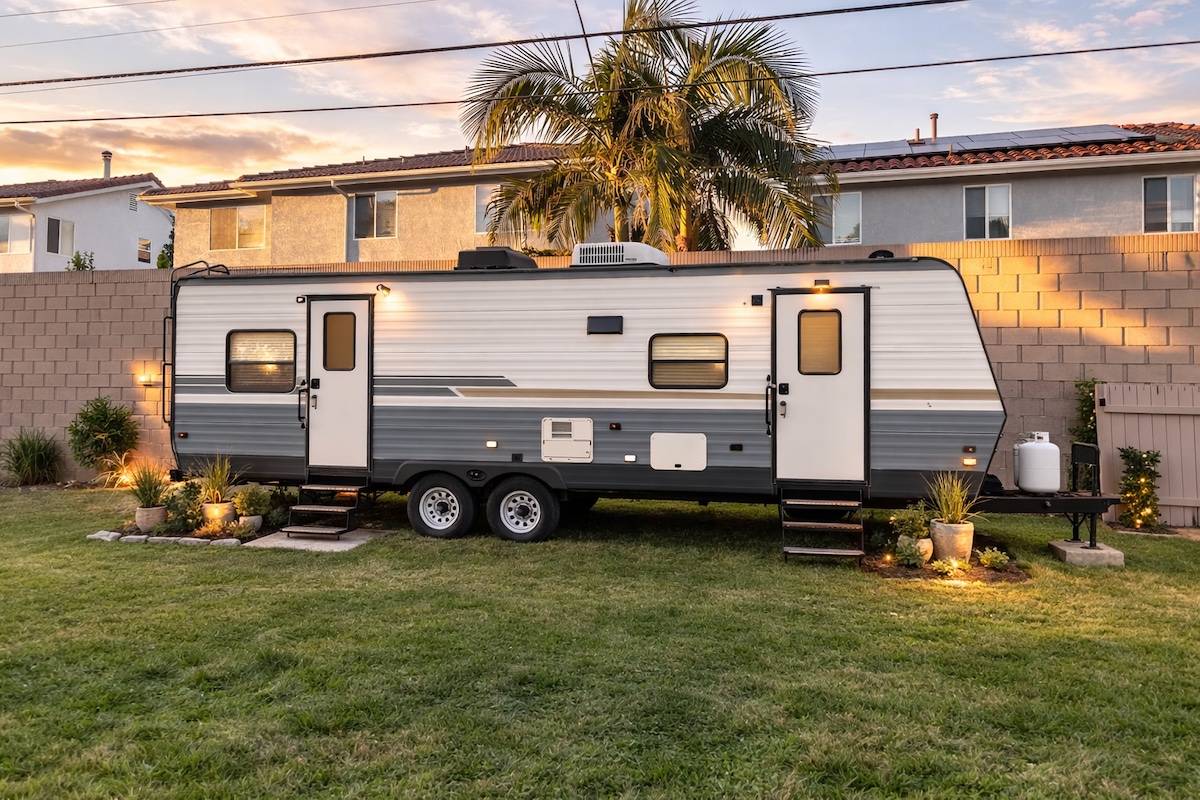
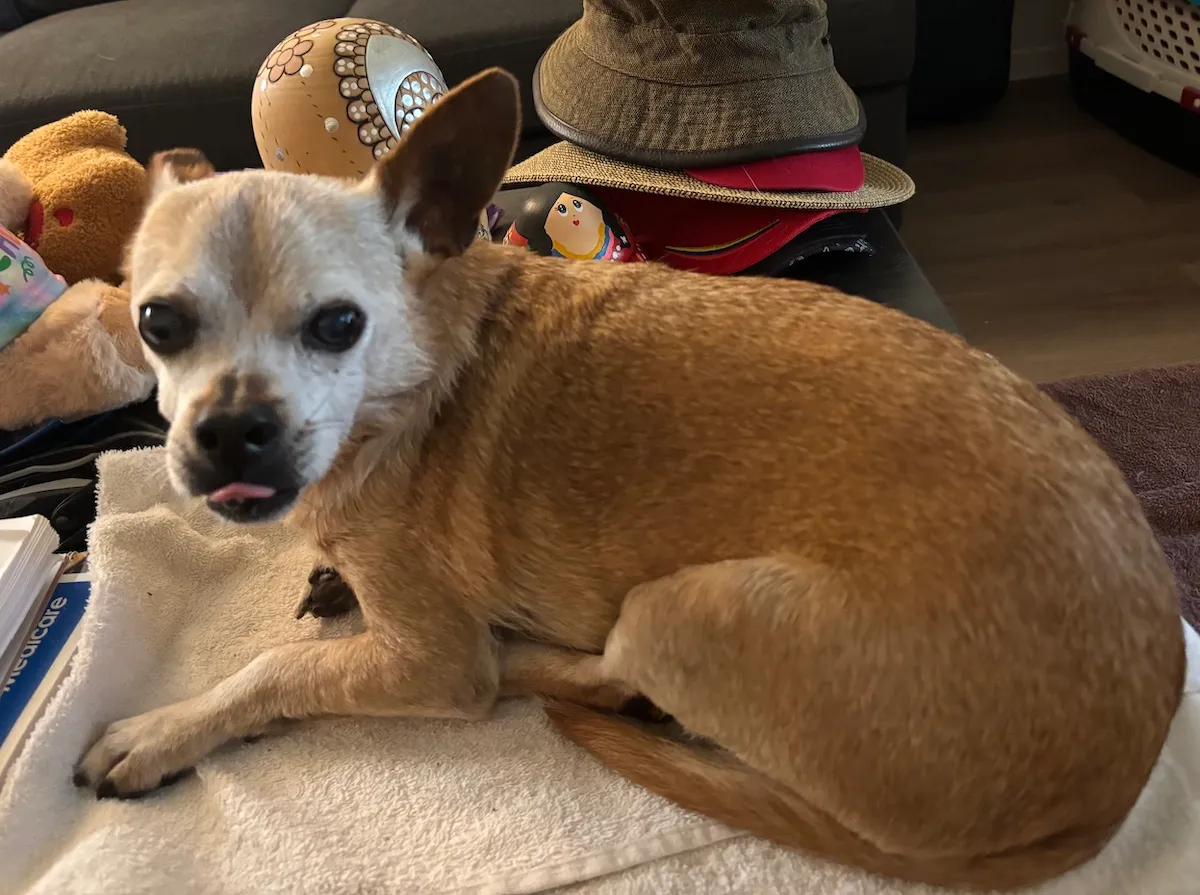
Get a free list of dog walking services and real estate resources for California pet owners who are planning to make a move in the next 3-6 months. Dog Walking, Dog Sitting and Pet Care in Los Angeles, Orange County and all over California: https://wagwalking.app.link/GCuqNyd5W5b
California Pet Resources for Real Estate: A Practical Guide for Landlords, Tenants & Agents
Pets are family for millions of Californians, and they play a growing role in rental decisions. Whether you manage properties, represent clients, or rent with a companion animal, understanding the rules can prevent disputes and support smoother transactions. Here is a concise overview of key California rules and resources as of 2026.
Landlord Rights and Limits on Ordinary Pets
California landlords may generally set their own pet policies. They can prohibit pets entirely, limit the number or type of animals, set weight or breed restrictions, and require vaccination or licensing records. These rules must appear clearly in the lease or a pet addendum.
Security deposits and pet-related charges changed significantly with AB 12 (effective July 1, 2024). For most landlords, the total of all deposits—including any amount labeled a “pet deposit”—cannot exceed one month’s rent. A narrow exception allows certain small landlords (natural persons or qualifying LLCs owning no more than two residential properties with four or fewer total units) to collect up to two months’ rent. Non-refundable “pet fees” are not permitted; any refundable charge counts toward the deposit cap.
Monthly pet rent remains legal and does not count against the deposit limit. It is treated as additional rent and must be disclosed in the lease. Typical ranges in many markets run $25–$75+ per pet, though local rent-control rules may affect increases or total charges.
Landlords may not require declawing or devocalization as a condition of tenancy (Civil Code §1942.7).
Assistance Animals: Service Animals and Emotional Support Animals
Assistance animals are not treated as pets under fair housing law.
- Service animals (typically dogs, and in limited cases miniature horses, trained to perform specific tasks related to a disability) must generally be allowed. Housing providers may ask only two questions in most situations: whether the person has a disability and what disability-related task the animal is trained to perform. No pet deposits, pet rent, breed/size/weight limits, or insurance requirements may be imposed.
- Emotional support animals (ESAs) provide emotional, cognitive, or similar support that alleviates symptoms of a disability. They do not require task-specific training. Under California’s Fair Employment and Housing Act (FEHA), housing providers must consider reasonable accommodation requests for ESAs even in no-pets buildings. Documentation from a reliable healthcare provider is typically required. California continues to enforce these protections even after changes in federal HUD guidance in 2026.
In both cases, the animal’s owner remains responsible for damage beyond ordinary wear and tear. Providers may impose reasonable conditions (control of the animal, waste disposal, prevention of nuisance) that do not interfere with the animal’s function. Denials are limited to situations involving a direct threat that cannot be mitigated, undue burden, or fundamental alteration of the housing operation.
Practical Tips
- For landlords and property managers: Use clear written pet policies. Screen carefully (references, vaccination records, meet-and-greet when appropriate). Structure compensation primarily through monthly pet rent rather than deposits to stay within AB 12 limits. Document everything and respond promptly to accommodation requests.
- For tenants and buyers: Disclose pets early when policies allow them. Prepare a “pet résumé” (photo, age, training, references, records). For assistance animals, gather appropriate documentation in advance. Understand that ordinary pet restrictions do not apply to qualifying assistance animals.
- For real estate professionals: Know the difference between ordinary pets and assistance animals. Help clients evaluate pet-friendly inventory and flag potential fair-housing issues early. Clear communication reduces friction in negotiations and closings.
Key California Resources
- California Civil Rights Department (CRD) — Primary state agency for fair housing and assistance animal guidance, including FAQs and complaint processes: calcivilrights.ca.gov. Recent legal alerts reaffirm strong state ESA protections.
- California Department of Real Estate / official Landlord-Tenant guides — Detailed coverage of security deposits (Civil Code §1950.5) and related rules.
- Disability Rights California — Practical publications on assistance animals in housing, including sample request language.
- Local animal services departments and SPCAs often provide landlord outreach materials and pet-friendly housing tips.
Laws can change and local ordinances (especially in rent-controlled cities) may add requirements. This overview is for general informational purposes only and is not legal advice. Consult a qualified California real estate attorney, the CRD, or other professionals for advice on specific situations.
At Entar Real Estate we help clients navigate practical housing issues—including pet policies—with clarity and compliance in mind. For more resources or assistance with Orange County and Southern California properties, visit entar.com.
Call 213-880-9910 corey@coreychambers
About the author:

Copyright © This free information provided courtesy Entar.com with information provided by Corey Chambers, Broker DRE 01889449. We are not associated with the seller, homeowner’s association or developer. For more information, contact 213-880-9910 or visit WeSellCal.com Licensed in California. All information provided is deemed reliable but is not guaranteed and should be independently verified. Text and photos created or modified by artificial intelligence. Properties subject to prior sale or rental. This is not a solicitation if buyer or seller is already under contract with another broker.
Song for Dolly Parton: