
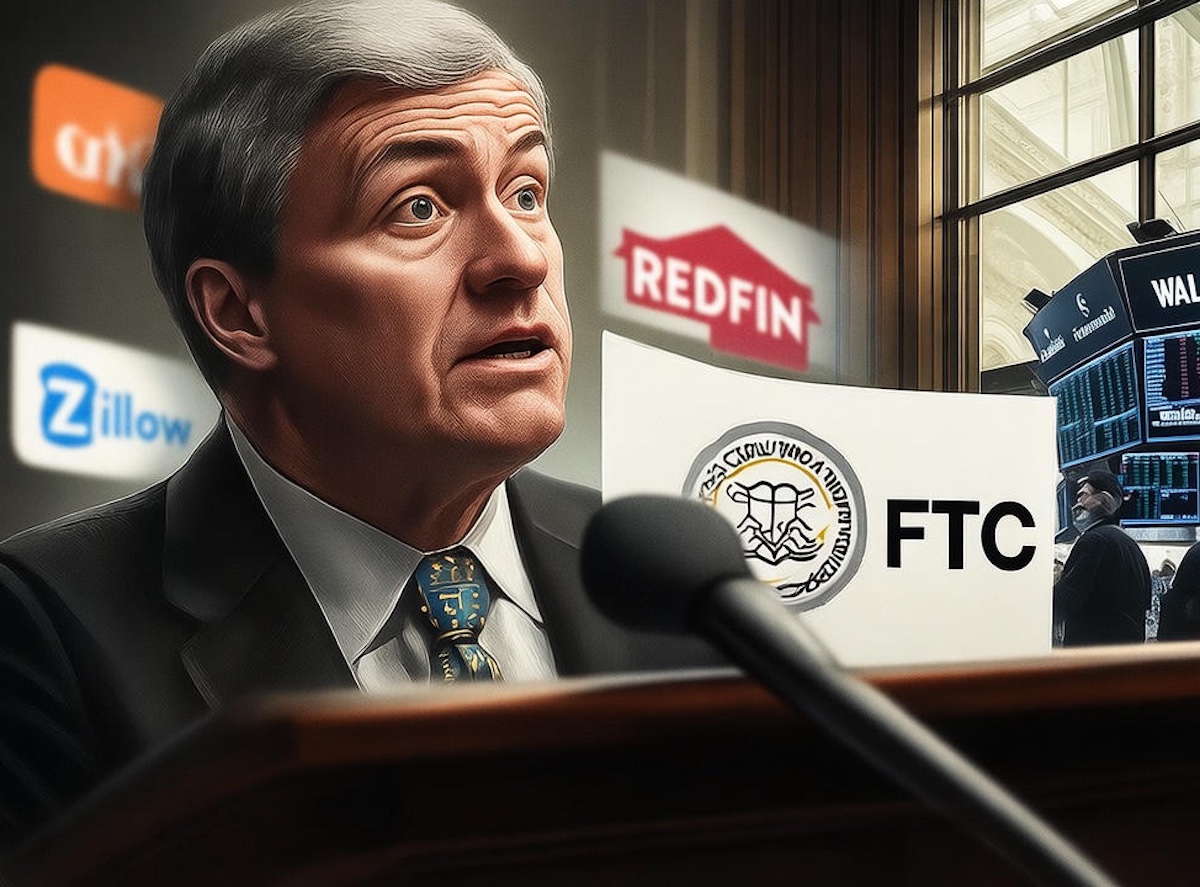
In the cutthroat world of online real estate, where a single click can turn dream homes into reality (or heartbreak), Zillow has long reigned as the undisputed king of listings. But on a crisp September day in 2025, the Federal Trade Commission (FTC) lobbed a grenade into Zillow’s empire, accusing the tech giant—and its rival Redfin—of orchestrating a secret pact to squash competition in the rental market. What began as a seemingly innocuous “partnership” in February has now escalated into a high-stakes antitrust showdown, with five states piling on and Wall Street jittery. As renters nationwide grapple with soaring prices, this lawsuit could reshape how we hunt for homes—or at least, how companies profit from our searches.
The Deal That Promised Synergy, Delivered Layoffs
Picture this: Zillow, flush with data and dominance, spots an opportunity to expand its rental listings footprint. Redfin, the scrappy brokerage challenging the status quo with its low-commission model, is struggling in the multifamily advertising space. Enter stage left: a $100 million cash infusion from Zillow to Redfin, announced with fanfare as a “strategic partnership” to “benefit renters and property managers.”
On paper, it sounded like a win-win. Zillow would become the exclusive syndicator of its rental listings across Redfin’s platforms, including Rent.com and ApartmentGuide.com, flooding the sites with Zillow’s vast inventory of apartments and homes. In return, Redfin pledged to wrap up its own advertising contracts with clients, handing them off to Zillow like a hot potato, and vow not to re-enter the multifamily rental ad game for up to nine years. The result? Redfin’s sites essentially became mirrors of Zillow’s, with little room for independent flair or competition.
But beneath the glossy press releases, the human cost was stark. Redfin axed hundreds of employees—about 450 in total—many of whom were snapped up by Zillow shortly after. Critics, including the FTC, paint this not as collaboration, but as a calculated “end run around competition,” where Zillow effectively bought out a chunk of Redfin’s business without triggering merger reviews. “Paying off a competitor to stop competing against you is a violation of federal antitrust laws,” thundered Daniel Guarnera, Director of the FTC’s Bureau of Competition, in the agency’s scathing complaint.
Enter the Regulators: A Bipartisan Blitz
The FTC’s lawsuit, filed on September 30, 2025, in the U.S. District Court for the Eastern District of Virginia, doesn’t mince words. It alleges the duo’s agreement violates Section 1 of the Sherman Act and Section 7 of the Clayton Act, effectively dismantling Redfin as a rival in a market already cornered by Zillow’s alliances with players like Realtor.com. The commission, voting 3-0 to greenlight the action, argues the deal could jack up advertising fees for landlords, erode service quality, and leave renters with fewer, less innovative options in a sector vital to America’s housing crisis.
The feds aren’t going it alone. Just one day later, on October 1, attorneys general from Arizona, Connecticut, New York, Virginia, and Washington threw their weight behind the suit, amplifying the chorus of concern. “In an already concentrated market, this deal threatens to make housing less affordable by passing increased costs straight to renters,” warned officials from Arizona, Connecticut, and Washington, spotlighting the ripple effects in high-cost living hotspots. The states’ involvement underscores a growing regulatory scrutiny on Big Tech’s grip on everyday essentials—from rideshares to real estate.
Zillow, no stranger to legal dust-ups (it’s fending off a separate suit from Compass over home listings), and Redfin, which has pivoted aggressively from sales to rentals, are digging in their heels. Both companies issued fiery statements, insisting the partnership is “pro-competitive and pro-consumer,” expanding access to listings while slashing costs for property managers. Redfin’s CEO even framed the layoffs as a necessary streamlining, not a concession to Zillow’s wallet. Yet, as the case barrels toward trial, the FTC is gunning for more than just an apology—it wants the deal unwound, potentially forcing divestitures to resurrect Redfin’s independent muscle.
Wall Street’s Wake-Up Call and the Renters Left in the Lurch
The markets didn’t take kindly to the news. Zillow’s shares skidded 4.5% in a single session, erasing billions in market value and dragging parent company Rocket Companies down over 3% in after-hours trading. For a stock that’s yo-yoed 33% over five years—hitting a 52-week high of $86.76 before tumbling to $71.18—the lawsuit feels like just another bump in a volatile road. Analysts, undeterred, still peg Zillow as a “moderate buy” with a $90.14 price target, betting the core iBuying model and ad revenue will weather the storm. Redfin’s outlook? A cautious “hold,” with whispers of downside risk.
But beyond the ticker tape, the real stakes lie with everyday Americans. In a nation where median rents have surged 30% since 2020, platforms like Zillow and Redfin aren’t just tools—they’re lifelines. Fewer competitors mean less pressure to innovate, from AI-powered search filters to transparent pricing, potentially baking in higher costs for the 44 million renter households. As Guarnera put it, this market “is critical for renters, property managers, and the health of the overall U.S. housing market.”
A Reckoning for Real Estate’s Digital Gatekeepers?
This isn’t Zillow’s first brush with the long arm of the law, nor is it the FTC’s opening salvo against tech titans muscling into legacy industries. Echoes of the Google antitrust saga loom large, where dominance begets scrutiny. If the FTC prevails, it could force a broader audit of syndication deals, compelling platforms to compete on merit rather than mergers in disguise.

For now, as the gavel hovers, one thing’s clear: In the quest for affordable housing, the real winners won’t be the algorithms or the ad dollars—they’ll be the families scrolling listings late into the night, hoping for a fair shot at home. Zillow’s empire may stand tall, but in the court of public—and regulatory—opinion, even giants can stumble.