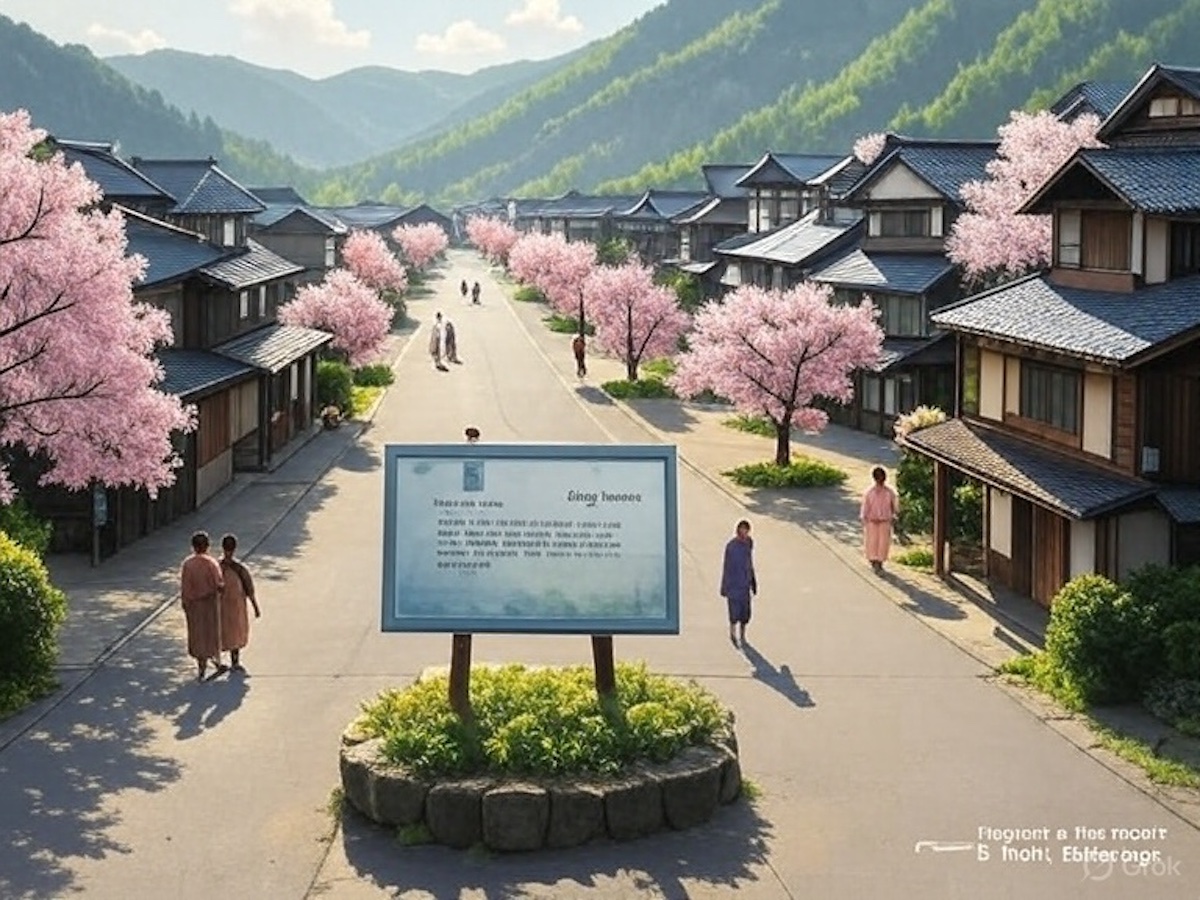
Picture this: A quaint wooden house nestled in a peaceful village, surrounded by lush mountains, cherry blossoms in spring, and neighbors who embody the essence of hospitality. Now imagine snagging that property—not for a million dollars, but for as little as $6,000. Sounds like a fantasy? In Japan, it’s reality. Thanks to a perfect storm of economic history and demographic shifts, the Land of the Rising Sun has become the world’s hottest spot for bargain hunters seeking once-in-a-lifetime real estate opportunities. And with Japan consistently ranking among the safest countries on Earth—boasting crime rates that make other nations green with envy—this isn’t just a deal; it’s a gateway to a serene, secure lifestyle that’s vanishingly rare in today’s chaotic world.
But how did we get here? Let’s dive into the story of Japan’s “lost decades” and the rise of akiya—abandoned homes that are transforming the global property market. | FREE LIST
The Lost Decades: From Bubble Burst to Bargain Bonanza
Japan’s economic miracle of the post-World War II era peaked in the late 1980s, when real estate prices soared to astronomical heights. Tokyo land values rivaled those of entire U.S. states, fueled by speculative frenzy and easy credit. Then, in 1991, the bubble burst. Stock markets crashed, banks faltered, and property values plummeted by up to 80% in some areas. This marked the beginning of the “lost decades”—a prolonged period of stagnation, deflation, and minimal growth that stretched from the 1990s into the 2010s.
The impact on real estate was profound, especially in rural regions. Urban centers like Tokyo rebounded somewhat, but countryside properties languished. Economic slowdown led to job losses, encouraging mass migration to cities for better opportunities. Coupled with Japan’s aging population—the world’s oldest, with a median age over 49—and plummeting birth rates (now below 1.3 children per woman), entire villages depopulated. Families left behind homes they couldn’t sell, burdened by inheritance taxes and maintenance costs. Why sell at a loss when holding seemed easier? But as owners passed away or moved on, these properties sat empty, deteriorating into what the Japanese call akiya—vacant houses.
Fast-forward to the 2020s, and the numbers are staggering: Over 9 million homes stand abandoned across Japan, comprising nearly 14% of the nation’s housing stock. Experts predict this could rise to 30% by 2040 as the population shrinks from 126 million to under 100 million. The result? A glut of properties in pristine, safe neighborhoods—think low-crime rural idylls where doors are left unlocked and community bonds run deep—that are being given away for free or sold for pocket change. Homes that, in comparable locations elsewhere (like California’s wine country or Europe’s countryside retreats), might fetch $1 million are listing for $6,000 or less. Some municipalities even offer incentives like subsidies for renovations or tax breaks to attract buyers.
This isn’t just about cheap land; it’s a byproduct of decades-long economic inertia. The lost decades stifled wage growth and consumer spending, making it hard for young families to afford urban living—let alone maintain rural inheritances. Deflation kept prices low, discouraging sales and creating a vicious cycle. Today, with global interest rates rising and inflation returning elsewhere, Japan’s stable, low-cost market shines as a hedge against uncertainty.
Why Japan’s Akiya Are the World’s Best—and Safest—Real Estate Deal
What makes this opportunity truly irresistible? Start with safety. Japan tops global rankings for low violent crime, with homicide rates a fraction of those in the U.S. or Europe. Neighborhoods dotted with akiya are often in tranquil rural prefectures like Fukui or Shimane, where community watchfulness and cultural emphasis on harmony create havens of peace. Imagine waking up to birdsong, not sirens—perfect for retirees, remote workers, or families seeking a slower pace. Believe it or not, some major cities and college towns tend to have some akiya homes too, where students will pay rent that makes your investment come to life. Expect to spend between $3,000 and $30,000 to fix up these neglected gems.
Then there’s the value. These aren’t derelict shacks; many akiya are traditional kominka (old folk houses) with sturdy timber frames, tatami mats, and gardens—architectural gems ripe for modern makeovers. Foreign buyers are flocking in, turning them into luxury Airbnbs, eco-retreats, or personal sanctuaries. One expat transformed a $25,000 akiya into a $11,000-per-month rental powerhouse. And with Japan’s high-speed rail and efficient infrastructure, even rural spots are just hours from Tokyo’s buzz.Of course, challenges exist: Renovations can cost $50,000–$100,000 due to earthquake-proofing standards, and some areas require residency commitments. Foreigners face no ownership restrictions, but navigating bureaucracy calls for expert help. Yet, the upsides dwarf the hurdles—especially as urban property bubbles inflate worldwide.
Seize the Moment: Your Path to Japanese Paradise
This window won’t stay open forever. As word spreads, demand from international investors is surging, pushing prices up in popular spots. Don’t miss out on what could be the investment of a lifetime—or simply a dream home in a land of longevity and tranquility.
Ready to explore? Request a free report from Entar Akiya today! This comprehensive guide details top listings, buying tips, and insider secrets to claiming your piece of Japan’s hidden gems. Your serene future awaits.
Get a free list of Japan’s abandoned akiya homes. Fill out the online form.

Copyright © This free information provided courtesy Entar.com with information provided by Corey Chambers. We are not associated with the seller, homeowner’s association or developer. For more information, contact 888-240-2500 or visit entar.com — All information provided is deemed reliable but is not guaranteed and should be independently verified. Text and photos created or modified by artificial intelligence. Properties subject to prior sale or rental. This is not a solicitation if buyer or seller is already under contract with another broker.