Balconies on the Brink: Picture this: You’re sipping your morning coffee on your apartment balcony, gazing at the California sunrise, when suddenly—crack!—your peaceful perch starts to wobble like a Jenga tower built by toddlers. Sounds like a nightmare, right? Well, thanks to California’s updated balcony inspection laws, that horror story might just stay in the realm of bad dreams. But with deadlines looming (and recently extended, phew!), property managers across the Golden State are scrambling to get compliant. Fear not, dear readers—this isn’t your dry legal brief. We’re diving into the drama, the details, and even a free report option to make it all easier. Grab your hard hat; we’re about to inspect the highs and lows of SB 721 and SB 326. | FREE REPORT
The Backstory: From Tragedy to Tough Love
Let’s rewind to 2015, when a balcony collapse in Berkeley turned a college party into a national tragedy, claiming six lives and injuring seven others. That heartbreaking event lit a fire under lawmakers, leading to Senate Bill 721 (for apartments) and Senate Bill 326 (for condos). These laws mandate inspections of “exterior elevated elements” (EEE)—fancy talk for balconies, terraces, decks, walkways, and stairways that are more than six feet off the ground and rely on wood for support.
The goal? Spot rot, rust, or any sneaky structural issues before they turn deadly.
Fast-forward to 2025: The laws are fully in effect, requiring multi-family buildings (three units or more for SB 721, and condo associations for SB 326) to get their first inspections done. Originally slated for January 1, 2025, the deadline got a lifeline via Assembly Bill 2579, pushing it to January 1, 2026.
That’s extra time for owners to avoid fines, liens, or worse—daily penalties that could stack up faster than LA traffic. Inspections must cover at least 15% of EEEs in a building, and if problems pop up, repairs have to start within 180 days or face the consequences.
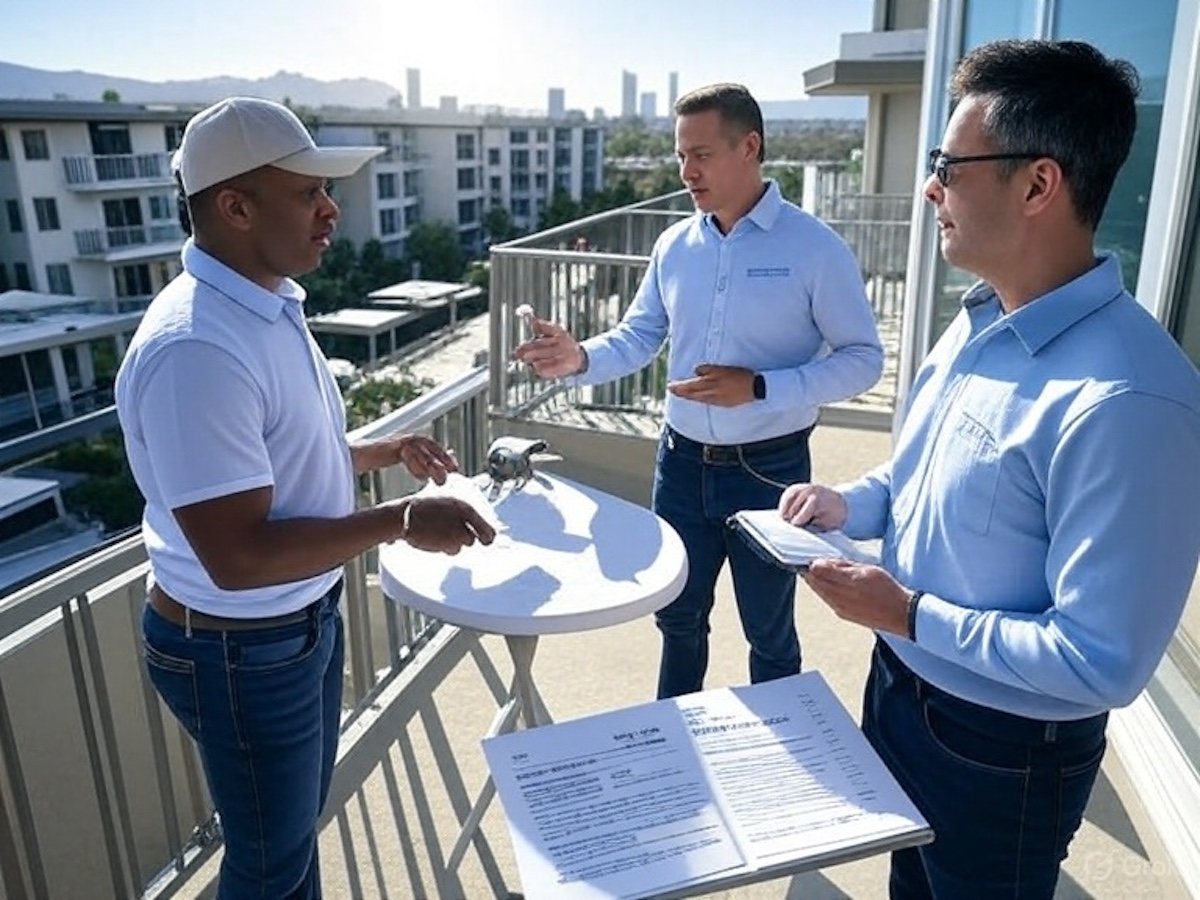
Every six years for apartments, nine for condos—think of it as a spa day for your building, but with engineers instead of masseuses.Property Managers: Teetering on the EdgeIf you’re a property manager, this law might feel like juggling chainsaws while walking a tightrope. “Most teams are still figuring out where to begin,” admits a recent industry email blast that’s making the rounds. Enter the heroes of the hour: services like Entar Balcony, that are swooping in with unbiased inspections (they don’t do repairs, so no upsell drama) and free “Lunch & Learn” sessions to demystify it all.
Imagine this: Your office, a weekday of your choice, and a 45-minute briefing where experts break down the law in plain English—no legalese fog. You get live Q&A, a free Balcony Inspection Prep Checklist, and hey, lunch is on them! It’s like a TED Talk meets a food truck rally, tailored to your portfolio. Slots are filling up faster than Coachella tickets, so if you’re managing multi-family properties, this could be your golden ticket to compliance confidence. As Entar puts it, “Let us help your team feel confident and compliant.” Who knew balcony safety could come with a side of sandwiches?
The Fun Side: Balcony Blunders and Wins
To keep things light, let’s chuckle at some balcony faux pas that could’ve been prevented. Remember that viral video of a deck collapsing under a barbecue party? Or the homeowner who turned their balcony into a mini jungle gym, only for it to sag like a deflated balloon? These laws aren’t just bureaucracy—they’re lifesavers. On the win side, compliant buildings can boast safer spaces, potentially lowering insurance premiums and boosting tenant appeal.
Picture advertising: “Ocean views from our rock-solid balconies—inspected and approved!”For the DIY crowd: No, you can’t just poke your balcony with a broomstick and call it good. Inspections require licensed pros—architects, engineers, or contractors with the right creds.
Tools like drones and moisture meters turn it into a high-tech adventure, spotting hidden horrors like water damage or termite parties.
Don’t Let Your Balcony Fall Flat
As California continues to lead the charge in building safety (because earthquakes weren’t enough excitement), embracing these laws is less “Big Brother” and more “Big Protector.” With the extension to 2026, there’s no excuse to procrastinate—book that Lunch & Learn, grab your checklist, and ensure your elevated elements aren’t elevating risks.
After all, in the land of Hollywood dreams, the last thing you want is a plot twist involving a falling balcony. Stay safe, stay inspected, and maybe treat yourself to a balcony picnic once it’s all clear. Cheers to sturdy structures and stress-free sunsets!
Request the free report. Fill out the online form.

Copyright © This free information provided courtesy Entar.com with information provided by Corey Chambers. For more information, contact 888-240-2500 or visit entar.com — All information provided is deemed reliable but is not guaranteed and should be independently verified. Text and photos created or modified by artificial intelligence.